What to Do When Addiction Treatment Doesn't Work

Written By

What to Do When Addiction Treatment Doesn't Work
Imagine taking your car to a mechanic because the check engine light is on. The mechanic disconnects the battery and the light disappears. Problem solved, right? Of course not. The warning light wasn't the problem. It was telling you there was a problem.
Addiction works the same way.
Too often, we spend all our energy trying to shut off the warning light without ever asking why it came on in the first place. That's why so many men leave treatment sober… but still broken. Their addiction wasn’t the root of the problem; it was how they coped with deeper wounds.
Why Addiction Treatment Alone Isn’t Enough
Treatment can play an essential role in recovery. For many men, detox and clinical treatment are the first steps toward freedom. They create the stability needed to begin the work of recovery.
But they're just that — the first steps.
Treatment is designed to help someone through a crisis, not to completely transform a lifetime of pain, shame, brokenness, and unhealthy patterns in just a few weeks.
A man can complete treatment without ever confronting the shame he's carried since childhood. He can leave sober while still believing he'll never be enough. He can learn coping skills without discovering why he needed to cope in destructive ways in the first place.
When the deeper wounds remain untouched, it's easy to return to the same coping mechanisms — even after months of sobriety.
The issue was never simply the addiction. The issue was what the addiction was helping him escape.
Why Do People Relapse After Rehab?
One of the most common questions people ask is, "Why do people relapse after rehab?"
The answer isn't as simple as a lack of willpower.
For many men, relapse isn't the result of forgetting what they learned in treatment. It's the result of returning to the same environment, the same relationships, the same stress, and the same unresolved wounds they left behind when they entered treatment.
Imagine someone breaks their leg. The doctor sets the bone, puts on a cast, and sends them home with instructions for recovery. If they take the cast off after a week and try to run a marathon, the injury is likely to return — not because the doctor failed, but because healing takes time.
Recovery works much the same way.
Treatment can stabilize someone, but lasting recovery requires ongoing growth. It requires new habits, healthy relationships, accountability, and a different way of living. Without those things, it's easy to fall back into the same patterns.
What to Do If Addiction Treatment Didn't Work
If you've completed addiction treatment and still find yourself struggling, don't lose hope. Recovery isn't over because treatment ended. In many ways, it's just beginning.
Here are four steps to consider if treatment didn't produce the lasting transformation you were hoping for.
1. Identify What You Were Really Trying to Escape
Drugs, alcohol, gambling, and other destructive behaviors rarely become problems overnight. For many men, they become ways to cope with shame, rejection, loneliness, fear, or unresolved pain.
If you only remove the coping mechanism without addressing what drove you to it, another unhealthy escape often takes its place.
Recovery becomes sustainable when you begin healing the wounds beneath the addiction — not just the addiction itself.
2. Choose an Environment That Supports Transformation
It's difficult to build a different life while surrounded by the same things that shaped the old one.
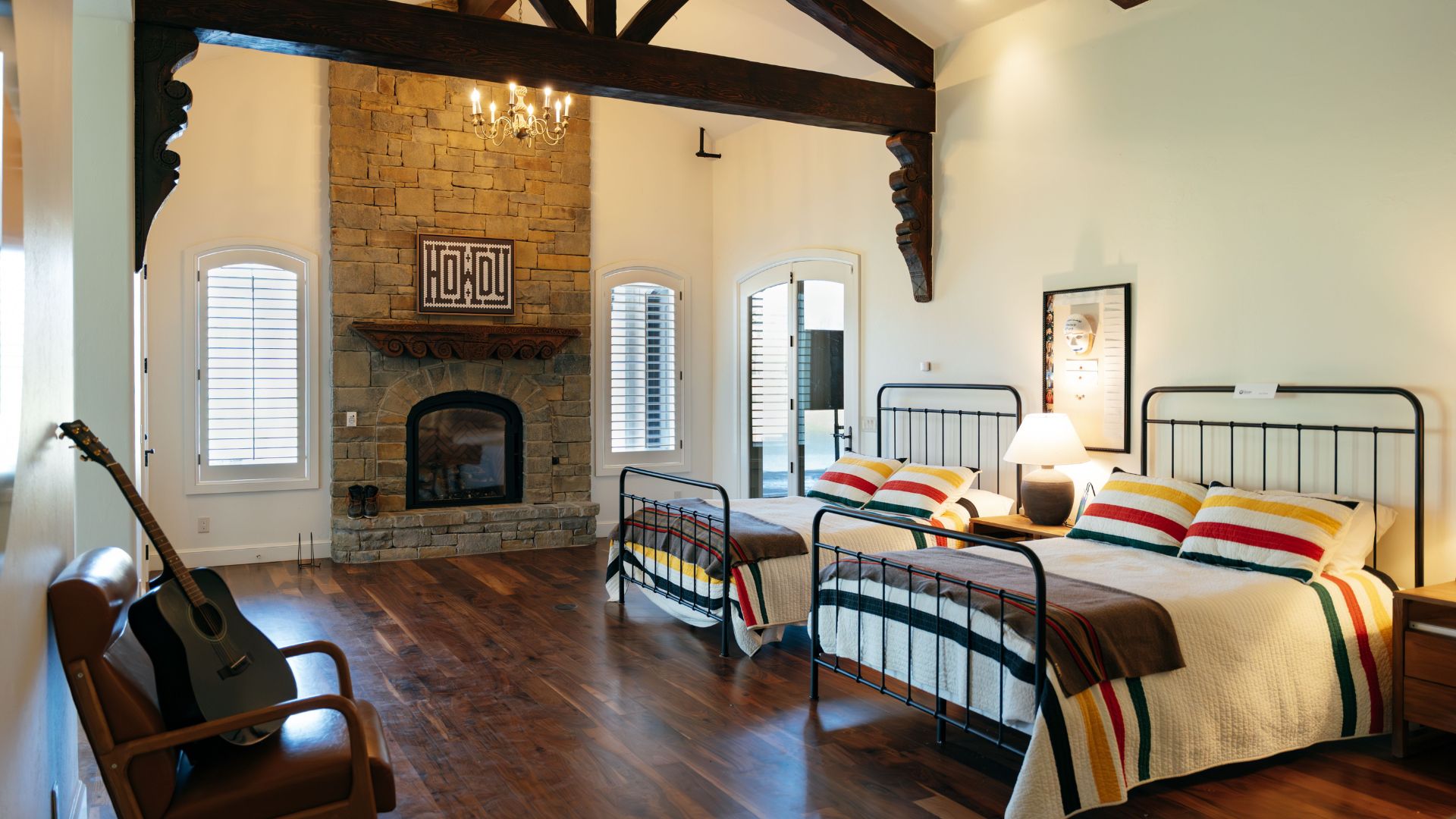
At The Healing Center, our 45-day immersive recovery housing experience gives men the opportunity to step away from destructive patterns and build new ones in a structured, Christ-centered community.
3. Stop Chasing Sobriety Alone and Start Pursuing Identity
Sobriety is an important milestone, but it was never meant to be the destination.
Recovery becomes much more powerful when the goal shifts from "I don't want to use anymore" to "I want to become the man God created me to be."
4. Commit to a Community That Will Walk With You
No one overcomes addiction alone. Healing happens in relationships — with God and with others.
The Healing Center provides recovery housing and recovery support where men experience accountability, peer support, spiritual growth, life skills, wellness, and community in a drug, alcohol, and gambling-free environment.
Our goal isn't simply to help men stop escaping. It's to help them create a life so good they never want to escape from it again.
Recovery Done Differently
At The Healing Center, we believe lasting recovery is about far more than breaking free from addiction. It's about becoming the man God created you to be.
That's why we've built a program that looks different from traditional treatment.
The Healing Center is a 45-day immersive experience that offers a trauma-informed, Christ-centered approach to radical life transformation for drug addicts, alcoholics, and men with gambling-related or sexual struggles.
During those 45 days, men aren't simply trying to avoid relapse. They're learning to build an intimate relationship with Christ, take ownership of their lives, develop healthy routines, embrace accountability, and address the core wounds that addiction has been covering for years.
Start Your Healing Journey Today
If you're wondering what to do when addiction treatment doesn’t work, we’d love to help.
Contact The Healing Center today to learn more about our faith-based, trauma-informed recovery program. Lasting transformation is waiting for you.
The Healing Center provides recovery housing and recovery support for men in a drug, alcohol, and gambling-free environment with clear sexual integrity and accountability expectations. We focus on accountability, peer support, life skills, wellness, nutrition, fitness, spiritual growth, trauma-informed support, and community.
We are not a treatment center and do not provide detox, therapy, counseling, IOP, outpatient treatment, medical care, medication management, gambling treatment, trauma therapy, or clinical substance use disorder treatment.
Women’s Lodge planned for 2027.