
10 Reasons Why Faith-Based Recovery Is Right For You

Written By
Healing Center Team
10 Reasons Why Faith-Based Recovery Is Right For You
Not every recovery journey looks the same. While some people connect well with traditional treatment and rehab programs, others feel like something is still missing.
If you’ve struggled with relapse or want to build a solid foundation for sobriety, faith-based recovery may offer the healing you’ve been searching for.
Here are 10 signs that a Christian recovery program could be exactly what you need to find lasting sobriety.
1. You’ve Tried Addiction Recovery Before and Relapsed
Maybe you've gone to treatment. Maybe you've attended meetings. Maybe you've promised yourself — and everyone else — that this time would be different.
Then somehow you found yourself right back where you started.
Many people don't relapse because they don't want recovery. They relapse because the deeper issues underneath their addiction never got addressed.
Faith-based recovery helps you look beyond the behavior and get to the root of what's really going on. It gives you a foundation that's built on more than willpower alone.
2. You’re Tired of Hiding Your Addiction From Others
Addiction often comes with a lot of secrecy. You may find yourself hiding your substance use, making excuses for your behavior, or trying to keep people from seeing how much you're struggling. Over time, it can become difficult to keep track of the lies and excuses.
That’s why one of the most freeing parts of recovery is finally being honest. Many people in faith-based recovery find that being honest with God helps them accept their past and release the shame, guilt, and embarrassment they've been holding onto for years.
3. You Know or Suspect You Have Unresolved Trauma
Maybe there are things in your past you've never fully dealt with, memories that you’ve tried to bury and suppress. Just because you don't think about them every day doesn't mean they aren't still impacting your life.
Faith-based recovery helps address unresolved trauma by reminding you that your past doesn't have to define your future. As you begin sharing your story, receiving support, and growing in your faith, you can start letting go of the weight you've been carrying and rest in God’s grace.
4. You Feel Constant Shame, Guilt, or Self-Hatred
You may constantly replay your mistakes, think that everything is your fault, feel unworthy of forgiveness, or believe you'll never be able to change.
Faith-based recovery helps you see yourself through God’s eyes. Instead of defining yourself by your worst moments, a relationship with Christ can help you embrace your true identity as someone who is loved, valued, and worthy of redemption and forgiveness.
5. You Feel Isolated and Alone in Your Addiction
Even when you're surrounded by family and friends, you may feel like no one truly understands what you're going through.
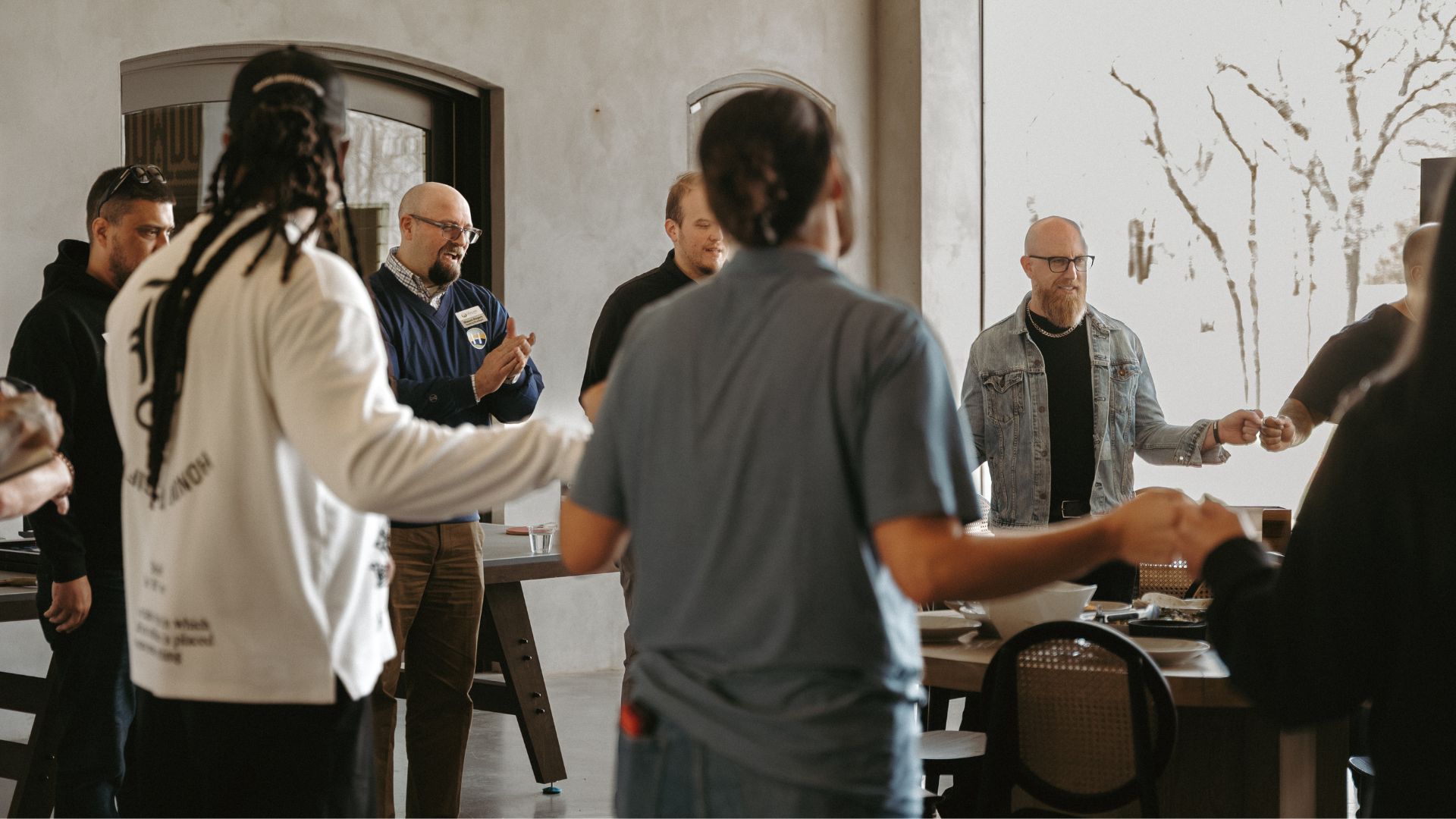
Faith-based recovery creates a community of people who have faced similar struggles and are committed to supporting one another. Through fellowship, mentorship, brotherhood, and accountability, you'll find people who genuinely care about your recovery and want to help you succeed.
6. You Don’t Feel Like Your Life Has Purpose
Maybe you’ve lost sight of who you are and what you want out of life. You know there's got to be more to life, but you're not sure how to evoke change.
Christian recovery can help you rediscover purpose by connecting your life to something greater than yourself. As your relationship with God grows, you can begin to uncover the natural talents and strengths He has given you. Whether it's leadership or serving others, faith-based recovery can help you step into the calling God has placed on your life and find purpose beyond addiction.
7. You Want to Learn Healthier Ways to Cope With Pain
Faith-based recovery helps you build new ways to handle life's challenges without relying on drugs, alcohol, gambling, or sex. With the support of a recovery community and a stronger relationship with God, you can develop healthier ways to cope with emotional pain, anxiety, depression, grief, stress, rejection, and difficult situations.
8. You Want to Rebuild Broken Relationships
Addiction doesn't just impact you — it also affects the people closest to you. Maybe trust has been broken. Maybe you've hurt people you care about, or maybe you've pulled away from relationships altogether. While recovery can't erase the past, it can help you move forward.
Faith-based recovery can help you become the husband, wife, parent, child, or friend you want to be. As you work on yourself, you'll have opportunities to rebuild trust through your actions, not just your words.
9. You Want to Explore a Relationship with Christ
For some people, faith is already an important part of their lives. For others, faith-based recovery is their first real opportunity to learn about God and explore what a relationship with Christ looks like.
You don't need to have all the answers or have your faith figured out before getting help. Christian recovery creates a safe environment to ask questions and discover how faith can become a source of strength, hope, and healing throughout your recovery journey.
10. You’re Desperate for Hope and Lasting Change
Faith-based recovery offers hope when it feels like there isn't any left. It reminds you that no matter how many mistakes you've made or how many times you've relapsed, your story isn't over.
Frequently Asked Questions About Faith-Based Recovery
What makes faith-based recovery different?
Faith-based recovery programs focus on healing the mind, body, and spirit. Along with evidence-based recovery tools, people are encouraged to discover purpose through Christ and build healthy relationships that sustain long-term sobriety.
What kind of environment can I expect?
Christian recovery programs often offer structured sober living, mentorship, fellowship, wellness support, evidence-based curriculum, trauma-informed recovery, and daily routines designed for personal and spiritual growth.
Can faith-based recovery help prevent relapse?
While no recovery program can guarantee sobriety, faith-based recovery helps many people build a strong foundation for long-term success. By addressing the underlying causes of addiction and providing ongoing support, faith-based recovery can help individuals navigate challenges without returning to old behaviors.
The Healing Center, a faith-based recovery campus, was created by the founders of Hope is Alive. Hope is Alive’s sober living homes have an 84% long-term success rate, compared to 40% for non-faith-based programs.
What addictions can faith-based recovery help with?
Faith-based recovery can support people struggling with a variety of addictions, including alcohol addiction, drug addiction, gambling addiction, pornography addiction, sex addiction, and other compulsive behaviors.
Faith-Based Recovery at The Healing Center
The Healing Center was built for men battling addiction, shame, and brokenness — drug addicts, alcoholics, the spiritually lost, and those with gambling-related or sexual struggles.
It’s not a treatment center or rehab program. It’s a 45-day immersive recovery housing experience that offers a trauma-informed, Christ-centered approach to radical life transformation.
At The Healing Center, men journey through a program that works them all the way back from “I am a hopeless addict” to “this is who God created me to be.”
By working through the core wounds of addiction, shame, and brokenness to build an intimate relationship with Christ, men are able to reclaim their recovery and create a life so good they never want to escape from it again.
How do I get started?
Reach out to The Healing Center team today to learn more about our faith-based program, ask questions, and begin the process toward a new way of life.
Call 1-844-346-7366
The Healing Center provides recovery housing and recovery support for men in a drug, alcohol, and gambling-free environment with clear sexual integrity and accountability expectations. We focus on accountability, peer support, life skills, wellness, nutrition, fitness, spiritual growth, trauma-informed support, and community.
We are not a treatment center and do not provide detox, therapy, counseling, IOP, outpatient treatment, medical care, medication management, gambling treatment, trauma therapy, or clinical substance use disorder treatment.


